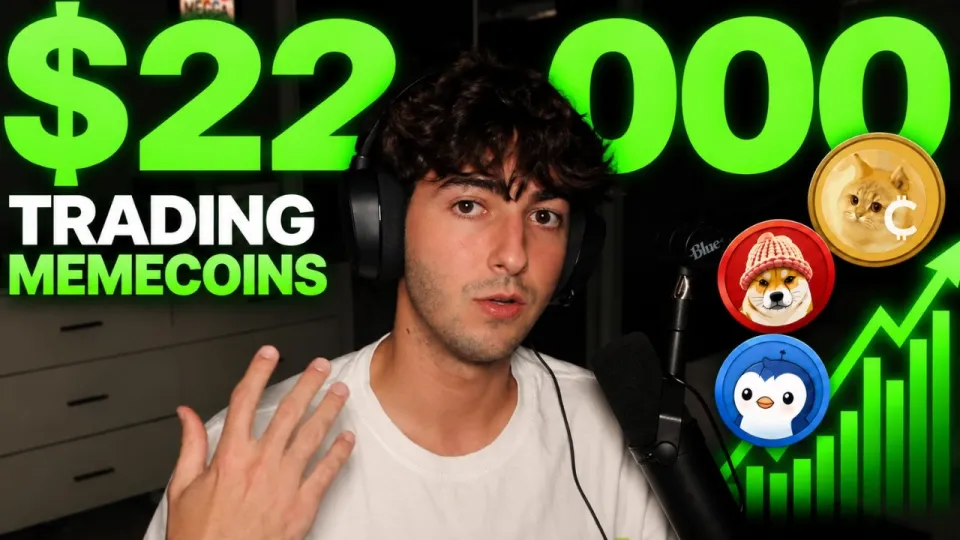
How to Trade a Meme Coin in 2026 and Turn a Single Position Into a Five-Figure Exit
A practical meme coin trading guide: wallet setup, liquidity and holder checks, entry and exit rules, risk sizing, and the pitfalls behind a $22,000 single trade.
Trading and Crypto — meme coin, forex, STAKE CODE, trading bot: video reviews retold, with main conclusions and answers to typical questions.
A practical meme coin trading guide: wallet setup, liquidity and holder checks, entry and exit rules, risk sizing, and the pitfalls behind a $22,000 single trade.
Пошаговое руководство по forex для начинающих: что торгуется на рынке, как зарабатывают трейдеры, как выбрать брокера и построитьedge.
Learn how to use the STAKE CODE XPUMP to claim a 150% bonus on your first deposit and maximize your trading opportunities.
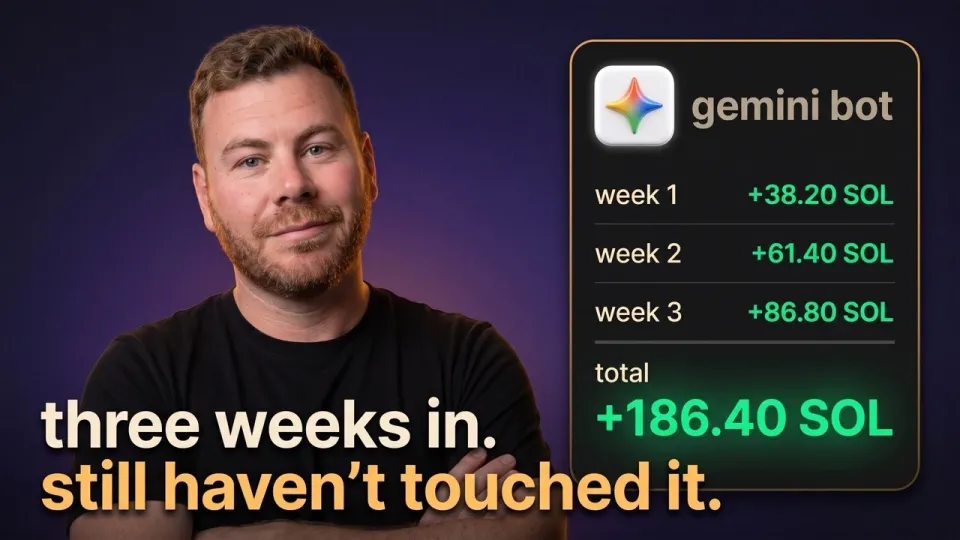
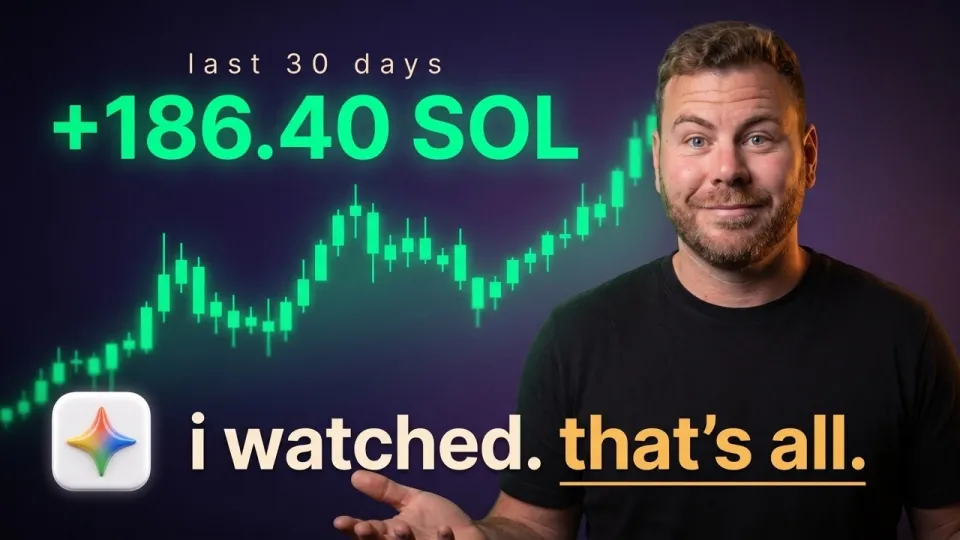
Trading bots have become essential tools for crypto traders seeking automation and efficiency. A trading bot like Gemini AI allows users to connect their exchange accounts via API and execute automated strategies based on real-time market data. This article explains how the Gemini AI trading bot operates, its setup process, and what traders can expect from its performance. Registration: Users must register on the official website https://geminitradebot.com/ to access the bot's dashboard. Deposit: After creating an account, a deposit is made to fund trading activities through the connected exchange.
Detailed Forex Fury Robot review explaining its technology, testing, and why a hedge fund offered $2 million for ownership.
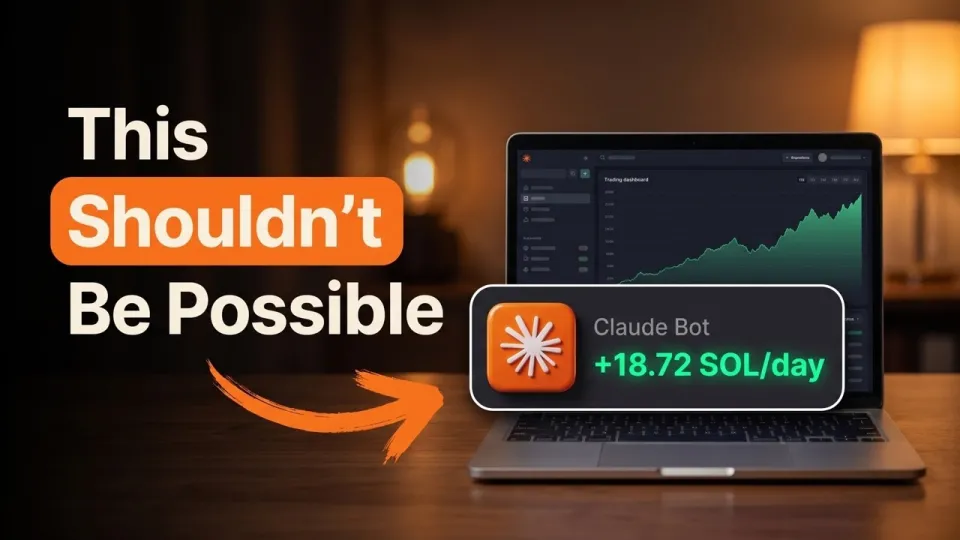
Learn how to configure and run the Claude AI trading bot for automated cryptocurrency trading with real-time market data and API integration.
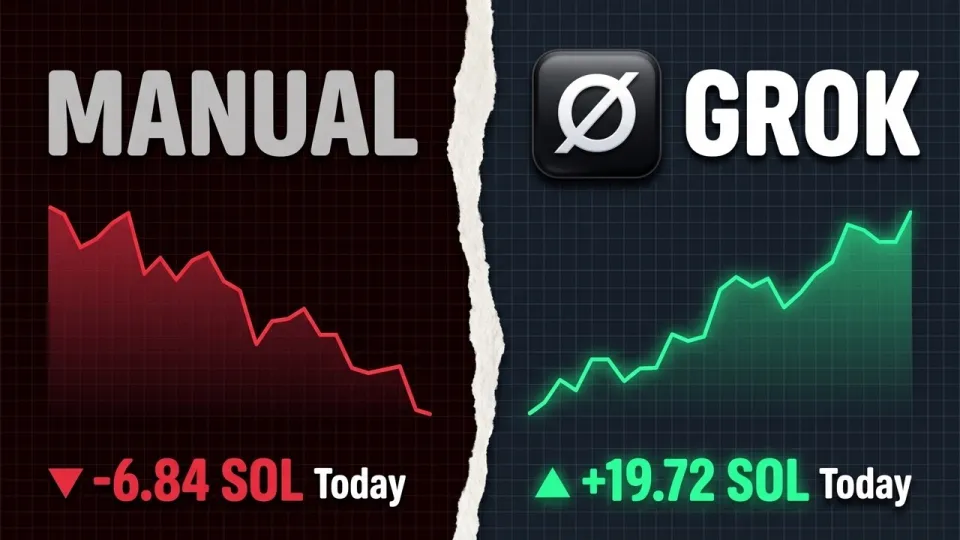
Discover how to set up and use the Grok AI trading bot for automated crypto trading with real-time data and advanced AI strategies.
Discover how GPT trading automates crypto trades using AI with GPT Trade. Learn setup, plans, risks, and strategies for 2026 trading bots.
Discover how Gemini AI trading bot simplifies crypto trading with easy setup and automated strategies for 2026.
Learn how to use the Gemini AI trading bot for automated crypto trading, including setup, plans, and key considerations for 2026.
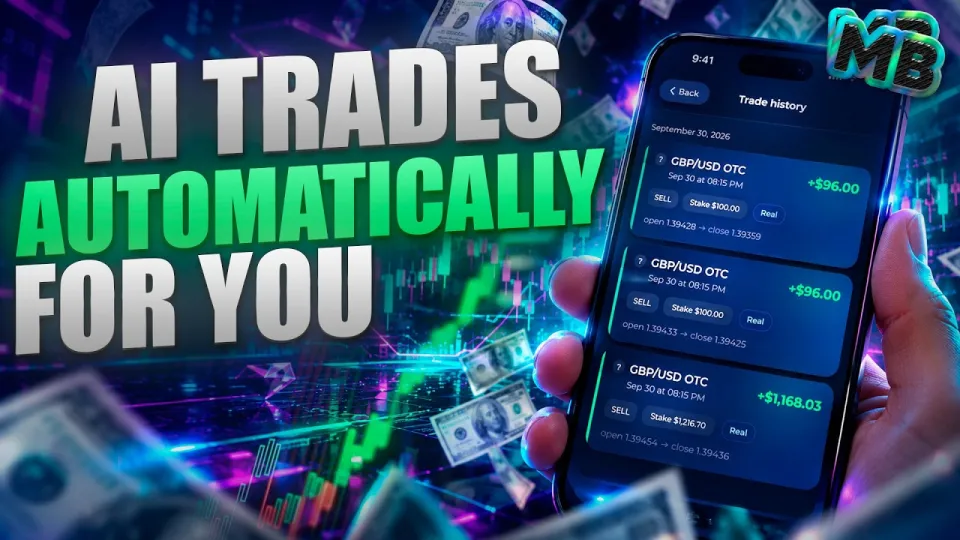
Explore effective binary options trading with a fully automated bot on Binodex and proven strategies for 2026.
Learn how to start trading with the GPT Trade bot using Astra 6 for automated crypto trading with step-by-step guidance and risk insights.
Rug pull is a malicious practice in the cryptocurrency space where project creators suddenly withdraw liquidity, effectively crashing the token’s value and leaving investors with worthless assets. It is especially common among meme coins on networks like Solana, where launching and trading tokens is relatively easy. Understanding rug pulls is crucial for both developers and investors to recognize risks and protect their funds. Unlocked Liquidity: If the liquidity pool is not locked or time-locked via smart contracts, developers can withdraw funds anytime. Centralized Token Authority: Developers retaining mint or freeze authority can create or burn tokens arbitrarily.
Learn how to mine Dogecoin efficiently with your CPU or GPU using UnMineable, the simplest platform with low fees and steady payouts.
Learn how opciones binarias work, strategies for beginners, and how to start trading with useful tools and tips.
Learn how to trade binary options on Binodex using AI signals, 26 indicators, and proven strategies for beginners and pros.
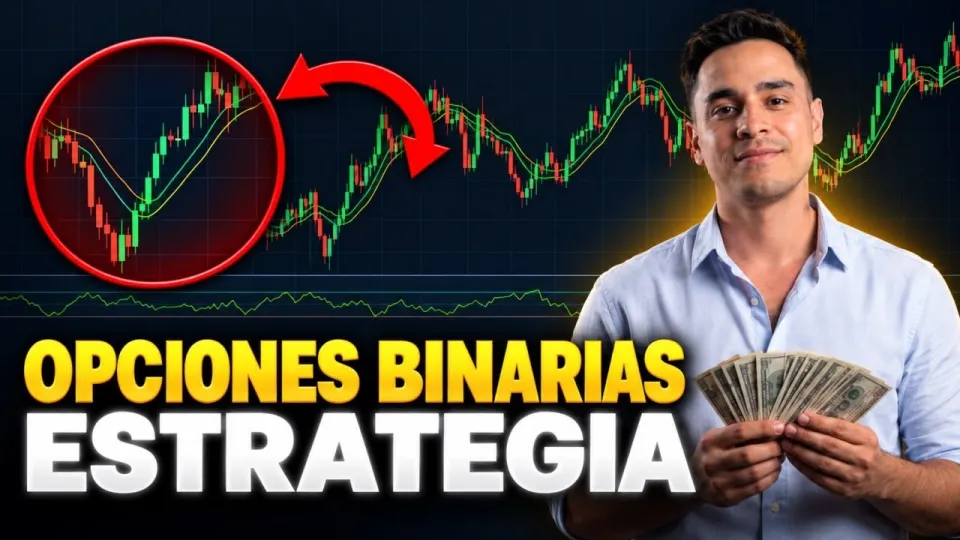
Learn an effective opciones binarias strategy using Envelopes and RSI indicators to improve trading results in 2024.
Generate API keys from your chosen crypto exchange (e.g., Binance, Coinbase Pro). Input these API keys into the Grok interface securely to enable trading permissions. Configure your preferences such as trading pairs, risk tolerance, and maximum investment per trade. Enable real-time data feed to allow the bot access to X data streams for live market analysis. This API integration ensures the bot can automatically place, modify, and close orders on your behalf. Day Trading: Executes quick trades based on intraday price movements to capitalize on volatility. Arbitrage: Detects price differences across exchanges and exploits them for profit.